
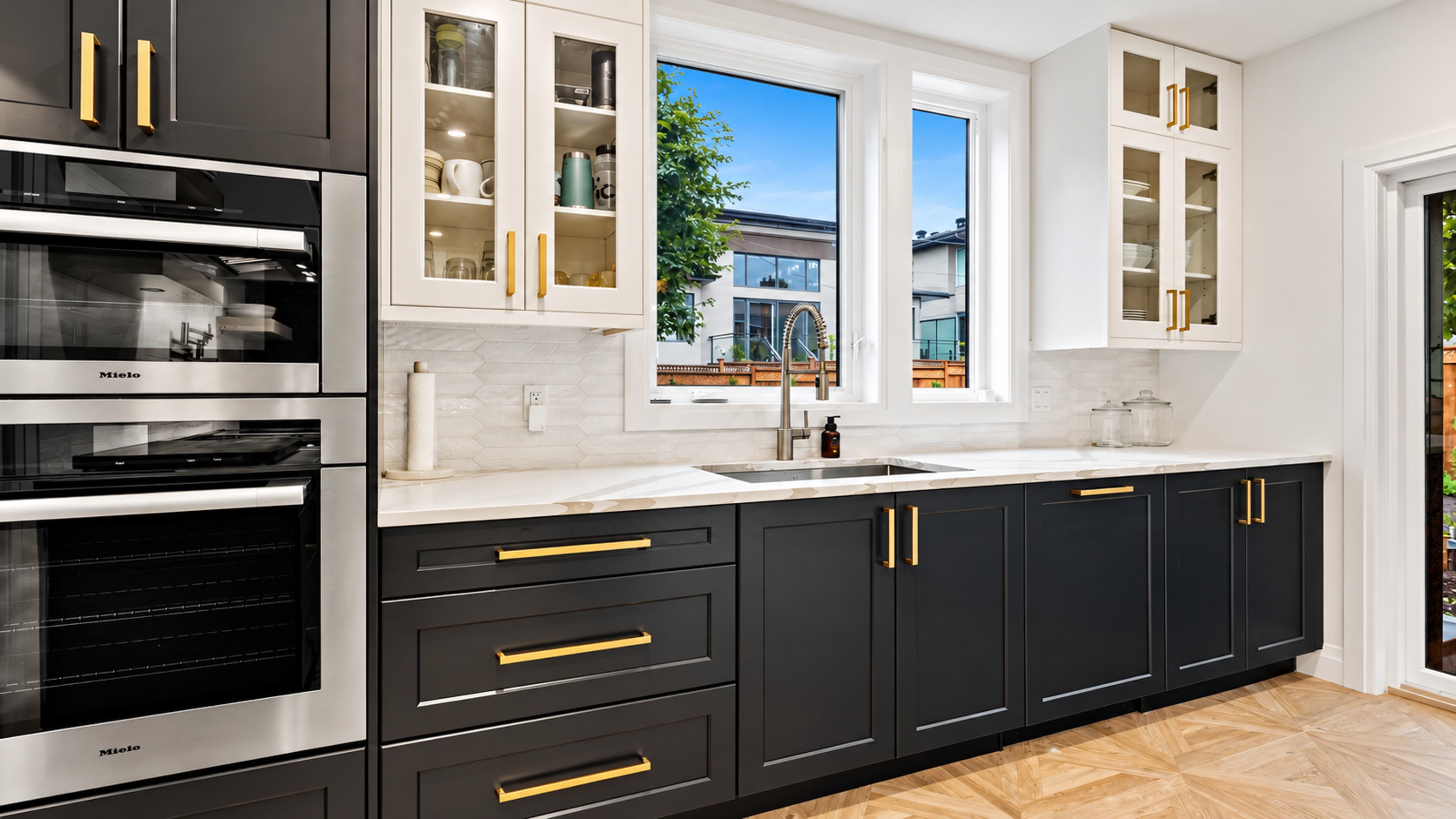
A clear scope sets the standard for the work
Start by identifying the surfaces, rooms, and individual items included in the renovation. Ask what will be repaired, replaced, refinished, or retained. A vague request for a room refresh can hide several different expectations about walls, flooring, trim, doors, and cleanup.
Use photos or a short list to explain the details that concern you. If you want new woodwork to match an existing profile, or expect a continuous floor between rooms, raise that before materials are selected. Clear expectations give both you and us a more useful basis for reviewing the finished work.
Preparation influences the finished result
New paint or trim does not resolve every problem underneath it. Existing surfaces may need cleaning, repair, removal of loose material, or other preparation suited to their condition. Ask how the requested finish will work with the surface already in place and what preparation is included.
The same principle applies to flooring and tile. Discuss the condition of the supporting surface, the height of adjoining floors, and how edges will be finished. Understanding those details early helps you compare proposals that may otherwise appear to cover the same work.
Explore painting and staining services · Discuss tile and ceramic installation
Look at fit, alignment, and transitions
Where two materials meet is often where workmanship becomes most noticeable. Look at the transition from a new floor to an existing room, the way trim returns around an opening, and how new details meet an uneven older wall. The right solution depends on the materials and conditions rather than a single finish detail used everywhere.
For doors and windows, discuss the complete installation rather than the product alone. The opening, surrounding trim, operation, and adjacent finishes all affect the result. Confirm which of those details are part of the requested work before the project moves forward.
Review door replacement and installation · Review window replacement and installation
Choose finishes that suit their setting
A durable-looking sample can behave differently once it is used every day. Consider traffic, cleaning, moisture, and exposure to sunlight when comparing options. Ask about the care each selected material needs and whether the surrounding surfaces create any practical limitations.
Review related materials together. A trim color that looks right alone may feel different next to the flooring, cabinets, or wall color. Coordinating the visible details can make a focused improvement feel more complete without expanding the project into unnecessary work.
Keep changes and questions visible
Good communication supports good workmanship. If a condition changes after work begins, discuss the available choices and how the decision affects the scope. Avoid relying on a quick conversation that leaves the price, material, or finish unclear.
Keep a written record of approved selections and changes. When you have a concern, describe the location and the result you expected. A specific question about an opening, edge, or finish is easier to address than a general concern raised only after the work is complete.
Use the final walkthrough to check the whole project
Review the finished area in ordinary room lighting and consider how it works in daily use. Open the doors involved in the work, look at transitions, and compare the result with the agreed scope. Note any remaining items in one clear list so they can be discussed together.
Our home improvement work in Columbia and Middle Tennessee includes carpentry, painting, flooring, renovations, and installation services. Tell us which details you want to improve and share photos of the existing conditions so we can start with a useful conversation.
Explore carpentry services · See how finishing details connect a room