
Address condition before decorative changes
List the items that are worn, damaged, or difficult to use. A sticking door, deteriorated wood detail, or damaged floor may deserve attention before a purely visual change elsewhere. Describe the underlying concern rather than assuming a new finish will solve it.
When an issue extends beyond the requested improvement, discuss what needs assessment before proceeding. Resolving the condition of the area first helps protect the time and money you put into new materials and finishes.
Prioritize changes you will use every day
Think about the improvements that would remove regular frustrations. Better kitchen storage, a more practical bathroom layout, or flooring suited to your household may offer more daily benefit than a feature chosen mainly because it is fashionable.
Consider how long you expect to use the space in its updated form. If you plan to stay, your routines and maintenance preferences matter. If a sale is approaching, balance a presentable, well-maintained property with the cost and disruption of a larger renovation. A qualified local property professional can provide market-specific advice when resale is the main goal.
Evaluate kitchen and bathroom work as a complete scope
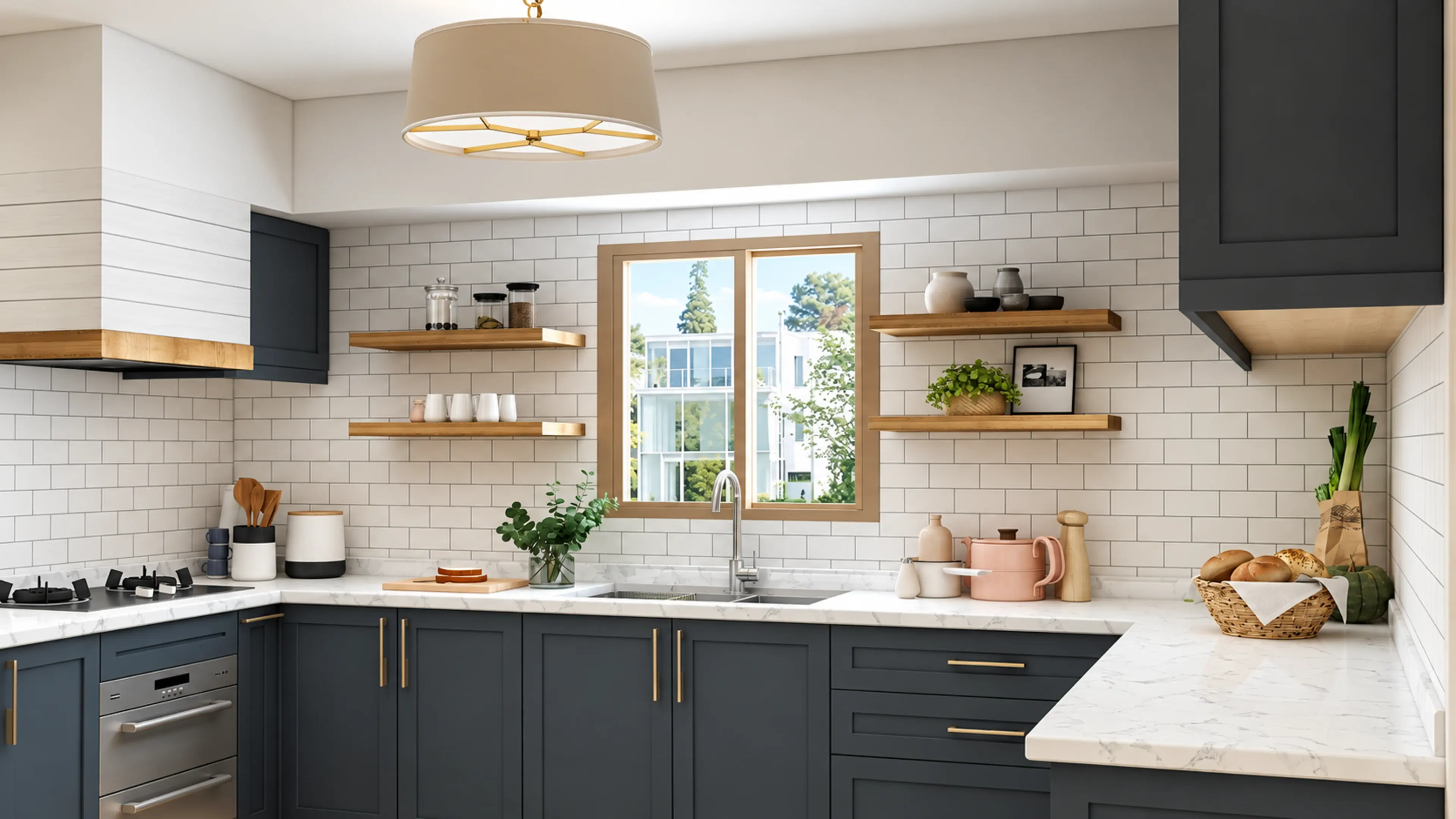
Kitchen and bathroom projects often combine several trades, surfaces, and selections. Identify what needs to change and what can remain. A focused update to finishes or storage has a different scope from a project that changes the way the entire room works.
Look at adjoining rooms before choosing materials. A new floor or cabinet finish should connect with the rest of the home. Review related repairs and finishing work in the estimate so you are comparing complete proposals rather than the price of a few visible products.
Plan a kitchen renovation · Set bathroom renovation priorities
Consider curb appeal alongside maintenance
Exterior improvements can make a property feel more cared for, but their scope should reflect the existing surfaces. Discuss preparation, repairs, paint or stain, and the condition of trim and openings before choosing a color scheme.
A deck, patio, replacement door, or window project also needs to suit the home and the way it is used. Consider ongoing care and the relationship to surrounding materials. The most suitable improvement is one you can maintain and use, not simply the most elaborate option.
Plan an exterior refresh · Explore deck and patio installation
Compare estimates by what they include
Use the same list of priorities when discussing the project with a contractor. Ask which materials, preparation, installation details, and finishing items are included. A lower total is not necessarily a comparable proposal if important parts of the work are missing.
Separate confirmed selections from items you have not chosen. Ask how changes and unexpected conditions would be handled, and keep a record of the decisions that affect the price. This gives you a clearer picture of the commitment before the work starts.
Build a practical sequence for future improvements
If several rooms need work, consider a sequence that limits rework. Discuss how one project affects another, particularly where flooring, doors, trim, and paint connect. Planning the relationship between phases can be useful even when you are only ready to begin one part.
For home improvements in Columbia and nearby communities, bring us a list of concerns, photos, and the changes that would matter most to you. We can discuss the requested services and help define the next conversation around a clear scope.